
By ECE OZDEMIR

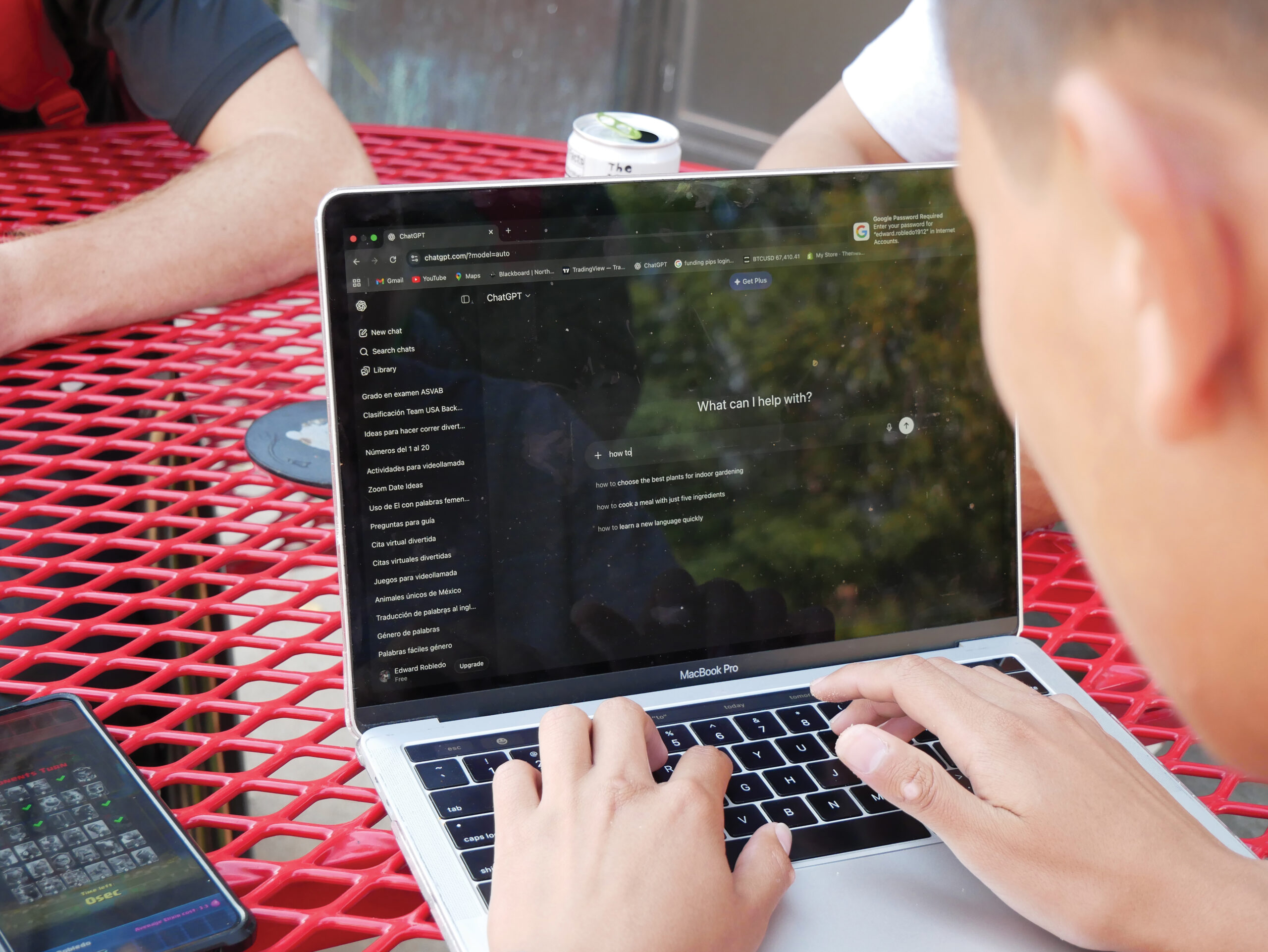
File photo by Aaron Medrano
Today, screens are an indispensable part of students’ daily lives. Classes take place on online platforms, friendships are maintained on social media, and leisure activities are conducted through digital applications. But how does this intense screen use affect our mental health, and are students becoming addicted to screens?
Research shows that excessive screen time can lead to sleep disturbances, attention problems and increased stress levels. Social media, with its constant notifications and pressure for online interaction, causes students to feel constantly “connected.” This situation is directly linked to anxiety, fatigue and decreased motivation.
On the other hand, screens are not entirely negative. Online classes, group projects, and research are all made possible thanks to screens. Communication tools keep friendships and community relationships alive.
The problem is not the quantity, but the way they are used and the awareness surrounding their use. Students’ inability to manage screen time and set limits increases the risk of addiction.
The solution begins with individual awareness and discipline. Limiting daily screen time, managing social media notifications, and allocating time for offline activities can help maintain balance. Universities can also offer guidance and educational programs on this topic.
In conclusion, students are at risk of screen addiction; however, addiction stems not solely from the presence of screens, but from a lack of control and unconscious usage habits. Technology is a tool, and addiction is the result of the inability to manage this tool.