
By ECE OZDEMIR
The lack of promotion in women’s sports is not due to a lack of talent or effort, but rather because it has not been considered a priority for years. Female athletes train just as diligently as male athletes, compete with the same seriousness, and represent their schools with the same pride. Despite this, their matches are often not adequately publicized, reported on, or are simply ignored.
One of the most common misconceptions about women’s sports is the claim that they “don’t attract viewers.” However, interest increases with visibility. When matches are promoted, when athletes’ stories are told, and when successes are shared, audiences respond accordingly. The problem is not a lack of demand, but a lack of opportunity. We cannot expect people to support something they are unaware of.
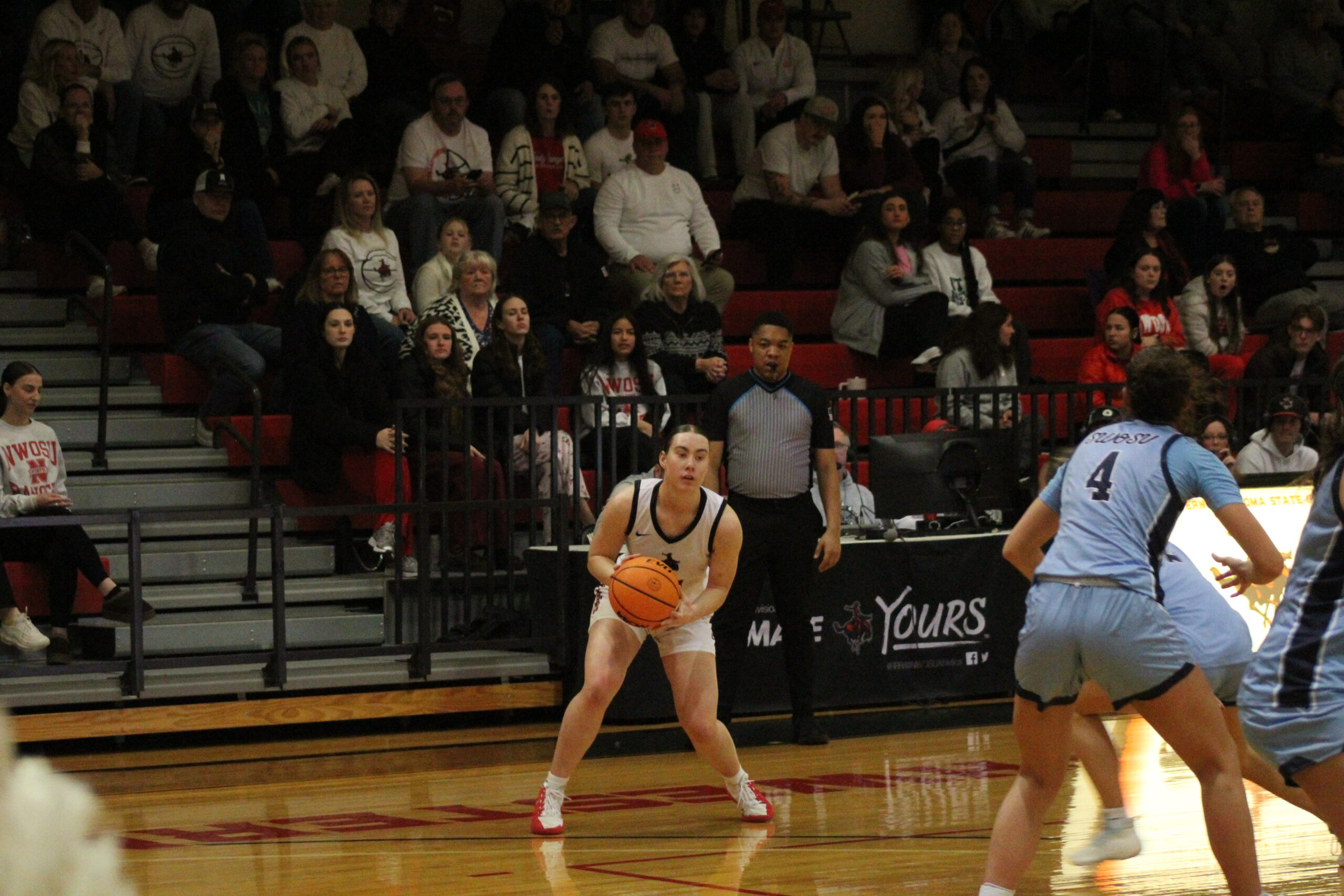
At the collegiate level, women’s teams, especially those outside of major Division I programs, receive limited media attention despite being an important part of athletic culture. This affects not only attendance but also the athletes’ motivation, self-confidence, and future opportunities. Being seen and appreciated is just as important as performance.
At this point, the media bears a significant responsibility. Equal coverage doesn’t mean creating artificial interest; it requires a fair and consistent approach. Treating women’s sports with the same seriousness and respect as men’s sports ensures that female athletes are seen not as exceptions, but as competitive athletes.
Women’s sports don’t need to be “saved.” What they need is support. Coverage is not a reward, but a responsibility.
Professional women’s
team sports
by the numbers
Basketball: 180 players
Volleyball: 114+
Soccer: 300-360
Hockey: 157
Softball: 140